

How Do I Clean The Rocks In My Backyard, We Are Putting Down New Landscape Frabic
A garden fabric, likewise known as a weed bulwark fabric, preen weed command fabric or preen landscape fabric, is an all-purpose cloth used by many gardeners for weed prevention and erosion control.
It is a great mode to prevent unwanted weeds from creeping into your garden during the growing season. It can make your garden maintenance easier by keeping weed and grass under control.
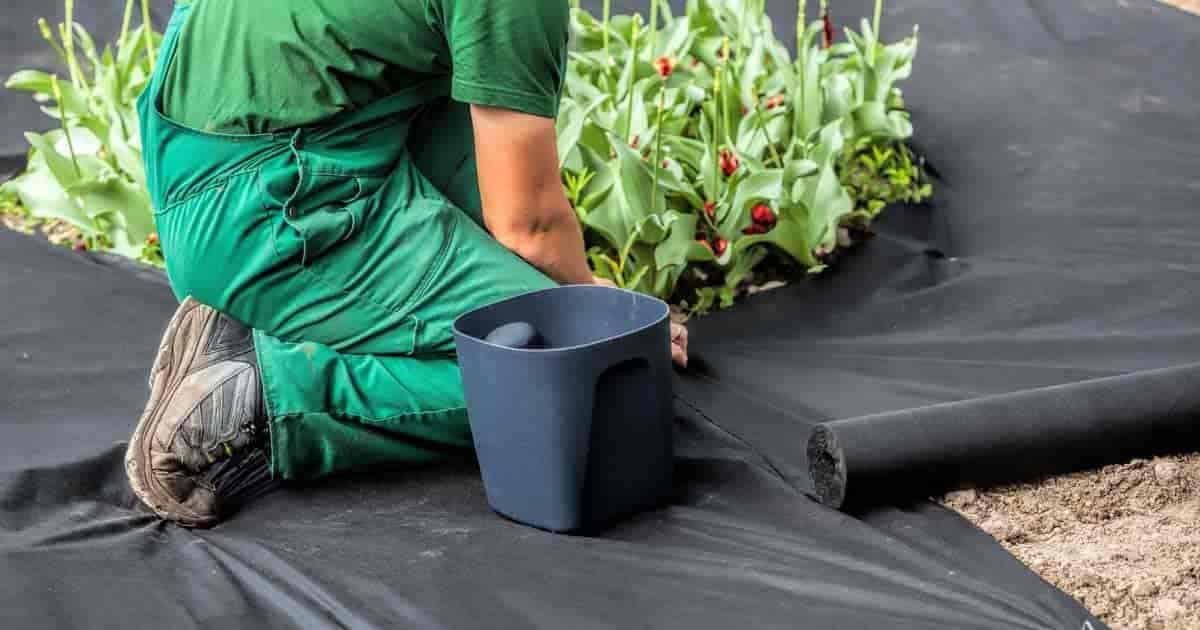
Form and fabric plays a role in visual studies and development of various mural architecture and pattern concepts.
High-quality fabrics last for years, about like permanent mulch. There are several factors to consider before purchasing and applying mural basis cover fabric in your garden. If the landscaping cloth is applied incorrectly, weeds can yet grow and you may besides damage the plants.
The weed barrier fabric is not suitable for annual gardens requiring frequent earthworks. Careful choice and awarding are of utmost importance when purchasing and applying fabric to your garden.
- How To Lay Landscaping Fabric
- Choice Of Land
- Fertilize The Soil Before Placing Fabric
- Anchor The Material
- Border Treatment
- Apply Mulch Later on Installing Landscaping Textile
- Watering The Plants
- Pros And Cons Of Landscaping Fabrics
How To Lay Landscaping Fabric
Blackness plastic sheets and not woven mural covering foreclose the plants from receiving enough h2o and nutrients to grow and prosper. When using fabric in the garden ever utilize commercial form for your garden.
These weed control fabrics are usually fabricated of a non-woven, porous polypropylene fabric, which enables air, h2o, and nutrients to reach the soil, but keeps weed seeds in a dark, cool environment where they tin't sprout.
If you want to use constitute fabric, put it down earlier planting, as information technology allows you to cut holes of proper sizes and prevents yous from damaging plants in the awarding procedure. Plan where each plant will go and cut a hole approximately 4″ inches in diameter.
The edges of the fabric should be a minimum of iv″ inches from a constitute base. Place the cloth fuzzy side downward, as this allows water to flow and helps information technology sink down through the fabric to effectively reach the soil.
Place the cloth on a smooth surface. If the surface is not flat, smooth it before applying the fabric, otherwise weeds can grow through the uneven surface.
Choice Of State
E'er apply a clean surface free of sticks, rocks, grass, weeds, and roots. If the surface is not flat and clear, clean and level before applying fabric, to achieve the maximum benefit. If yous skip this pace, some weeds that are already present may abound.
Fertilize The Soil Before Placing Fabric
If you identify the fabric before fertilizing the soil, yous can no longer add compost or other organic matter to the soil. So, before placing the textile, be sure to fertilize the soil upwardly to the required level.
Landscaping fabric is of a permanent nature and therefore, not suited for plants that require extra attention. Once the cloth is laid down, it is difficult – or sometimes impossible – to fertilize the soil with compost or other organic materials each year.
Anchor The Fabric
Always anchor the fabric using u-shaped material pins to prevent information technology from looking loose or flapping around because of wind. Anchor the fabric at approximately every pes. Apply anchoring pins co-ordinate to your requirements.
Edge Treatment
For best results, the level of your garden bed should be a few inches lower than the edges of your garden or pathway. Garden edge edging will allow you to fold the fabric an extra inch around the edges of your garden.
In a wide garden, you demand to utilise cloth to comprehend the unabridged area and overlap the edges with at least i pes of material. Fabric sheets alone do not allow enough overlap and cause stripped areas of weed to pop up, which tin can exist difficult to eliminate.
Apply Mulch After Installing Landscaping Cloth
Spread approximately three″ inches of mulch throughout the garden surface area later applying the fabric. The mulch hides the textile, protects information technology from weather effects, and prevents the soil from overheating. It besides keeps weed seedlings from getting light and prevents them from making holes in the fabric with their root systems.
Utilize shredded bark, bark fries, woods fries, or any mulch yous find visually bonny. Take care when applying mulch layer on top of the cloth. It should be at least three inches for all-time results. Once the fabric is laid down, the time you salve from weeding can be spent enjoying your garden.
Watering The Plants
Water the textile mulched bed as usual because moisture seeps through fabric and into the soil. If some plants require actress fertilization, apply fertilizer directly to the soil near the base of the plant, avoiding the stem of plants.
A garden textile lasts up to 5 years. In most garden beds, wood mulch on meridian of landscape requires reapplication annually.
Pros And Cons Of Landscaping Fabrics
Pros Of Landscaping Fabric
- Information technology reduces the corporeality of time spent weeding in the garden. If y'all desire to bask gardening without too much try, landscape fabric is a proficient choice.
- Mural your garden once with proper planning, and so enjoy it without having to worry nearly changing it in a significant way.
- Landscaping fabric is ideal for those who have a busy schedule but are too fond of gardening.
- It prevents weed growth everywhere in your yard and makes your garden look beautiful and great.
- It can be used equally temporary frost protection or as a row cover.
Cons Of Landscaping Fabric
- It compacts the soil. To be truly healthy, soil needs to be crumbly and loose.
- Landscape cloth volition reduce the number of weeds in your garden, simply it won't eliminate them completely. Bad weeds grow through it, making it impossible to pull these weeds. Once this happens, you must supercede the whole fabric, which is frustrating if your garden is fully established.
- Landscaping fabric or preen landscape fabric contains petroleum and other chemicals. Most gardening experts advise gardeners to avoid chemical products in gardens, especially effectually edible plants.
- Gardeners are known for changing their minds. One season they may want a certain plant in a certain place, but this plan may change from year to yr. As plants grow, they will need to be divided to keep the original plant healthy. Both tasks get very complicated when landscaping cloth is installed. Shifting the location of plants, in this case, is a time-consuming process. If you practice this at this stage, the fabric will as well need to be disturbed, which defeats the purpose of the fabric.
- Re-seeding is almost impossible if fabric is installed in the garden. If you use fabric, it is difficult for plants to re-seed themselves.

Source: https://plantcaretoday.com/landscape-fabric.html
Posted by: williamsfixer1954.blogspot.com
0 Response to "How Do I Clean The Rocks In My Backyard, We Are Putting Down New Landscape Frabic"
Post a Comment